

Miami-Ft Lauderdale Market Deposit Rate Report
We deliver accurate, reliable, and up-to-date weekly insights that help financial institutions make informed decisions and stay competitive in a dynamic banking landscape. Surveyed every Wednesday.
We check the rates. You make the moves.
Only $110 Per Month
Billed Annually $1,320; Raw Data available for an extra cost
Less Research Time
More Institutions
Current Promotions
What Our Reports Include
- 67
Total Institutions*
- 45
Banks
- 22
Credit Unions
- Weekly
Reports
- Thu
Delivery Day
Savings Interest Rates
Money Market Interest Rates
Certificate of Deposit (CD) Interest Rates
*Number of Institutions may vary as we continually update the markets.
Market Highlights
Our Reach
The Miami-Fort Lauderdale Metropolitan Area Deposit Rate report includes the following states and counties.
States
- Florida
Counties
- Broward
- Miami-Dade
- Palm Beach
Proven and trusted
Miami-Fort Lauderdale Deposit Rate Report
At BancAnalytics, we specialize in delivering accurate, research-driven insights into deposit interest rates (annual percentage yields/APY) nationwide. Our team conducts comprehensive surveys of bank rates weekly for personal savings account rates, money market account rates, and CD rates. Our in-depth data analysis helps financial institutions stay competitive in their local markets. Whether you want the top savings accounts in your market or simply know your competitor rates, our reports will help you set your deposit pricing based on the current rates. By combining trusted rate research with real-time banking data, BancAnalytics empowers banks and credit unions to make informed pricing decisions that drive growth and customer loyalty.
And, the Money Monitor Deposit Rate Reports are now online! Whether you need customized market reports or ongoing monitoring of the Miami-Ft. Lauderdale, Florida bank rates, our approach ensures you always have a clear view of where your institution stands in today’s dynamic deposit landscape.

Questions About This Report?
Don’t hesitate to reach. Our team is happy to help make sure this report is right for you.
Save Time & Get More Business Intel
Start getting competitive intelligence on your most important products today!
Interesting Banking Facts
Banking History in Miami, Florida
The story of banking in Miami and Fort Lauderdale is as dynamic as the region itself — a tale of vision, resilience, and reinvention that mirrors South Florida’s transformation from sleepy coastal towns to an international financial hub.
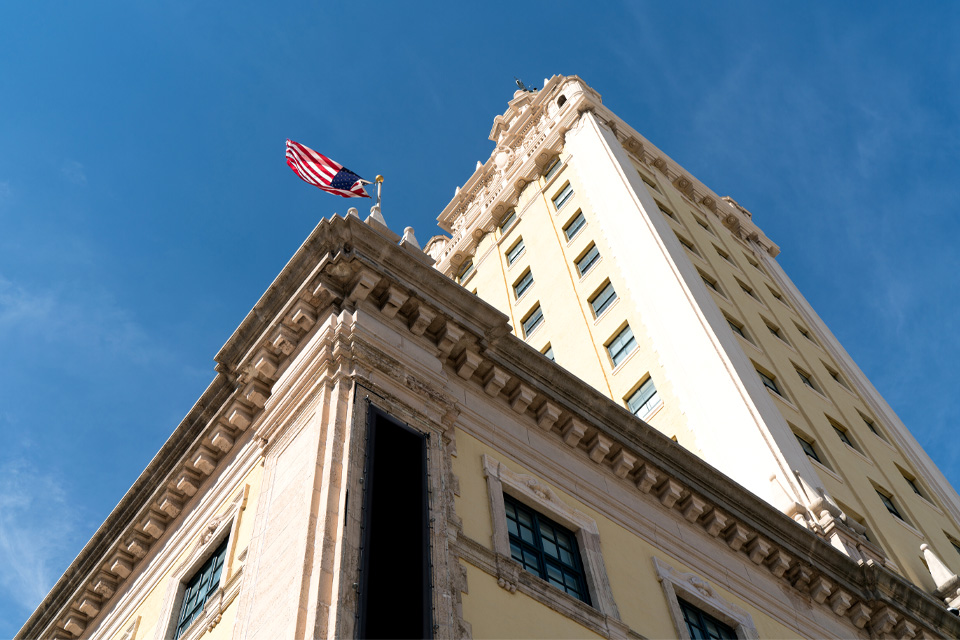
In the early 1900s, when Miami was little more than a railroad stop surrounded by mangroves, small community banks began springing up to serve pioneers, citrus growers, and land developers. These early institutions, like Bank of Bay Biscayne and First National Bank of Miami, provided the foundation for growth, financing everything from fishing fleets to fledgling hotels.
The 1920s land boom brought a surge of money, optimism, and speculation. Banks financed rapid construction along Biscayne Bay and the Atlantic coast, but the bubble burst with the devastating 1926 hurricane and the Great Depression that followed. Dozens of banks failed, reshaping the region’s financial landscape and teaching valuable lessons about prudence and trust.
After World War II, South Florida roared back. Returning veterans, new residents, and a postwar tourism explosion fueled demand for homes, cars, businesses, and banks followed suit. Fort Lauderdale’s financial institutions grew alongside the city’s new marinas and suburbs, while Miami’s banks began to look outward, serving Latin America and the Caribbean.
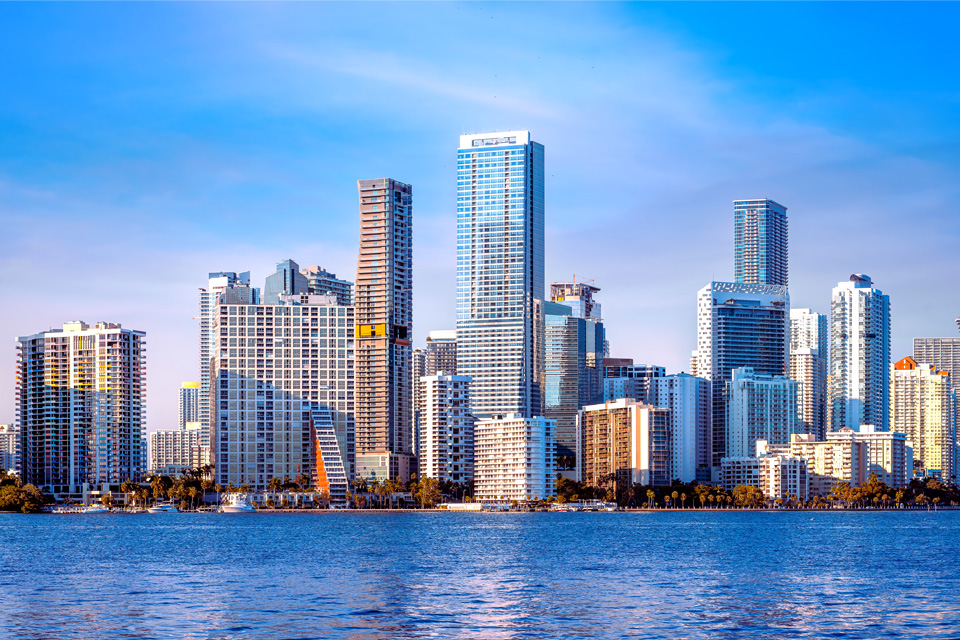
By the 1970s and 1980s, Miami had earned its reputation as the Gateway to the Americas. Major international banks — from Spain, Brazil, Colombia, and beyond — opened offices downtown, drawn by the city’s unique blend of cultures and commerce. Brickell Avenue evolved into “Wall Street of the South,” home to gleaming towers and cross-border finance.
Meanwhile, Fort Lauderdale and Broward County developed a robust network of community banks and credit unions, focusing on local businesses, real estate, and marine industries. These smaller institutions became the backbone of neighborhoods, offering personal relationships and deep roots in the community.
Today, the banking landscape of Miami–Fort Lauderdale is a balance of the global and the local. International giants share the skyline with independent community banks that still know their customers by name. Together, they reflect the region’s evolution from coastal outpost to financial crossroads of the Americas.